
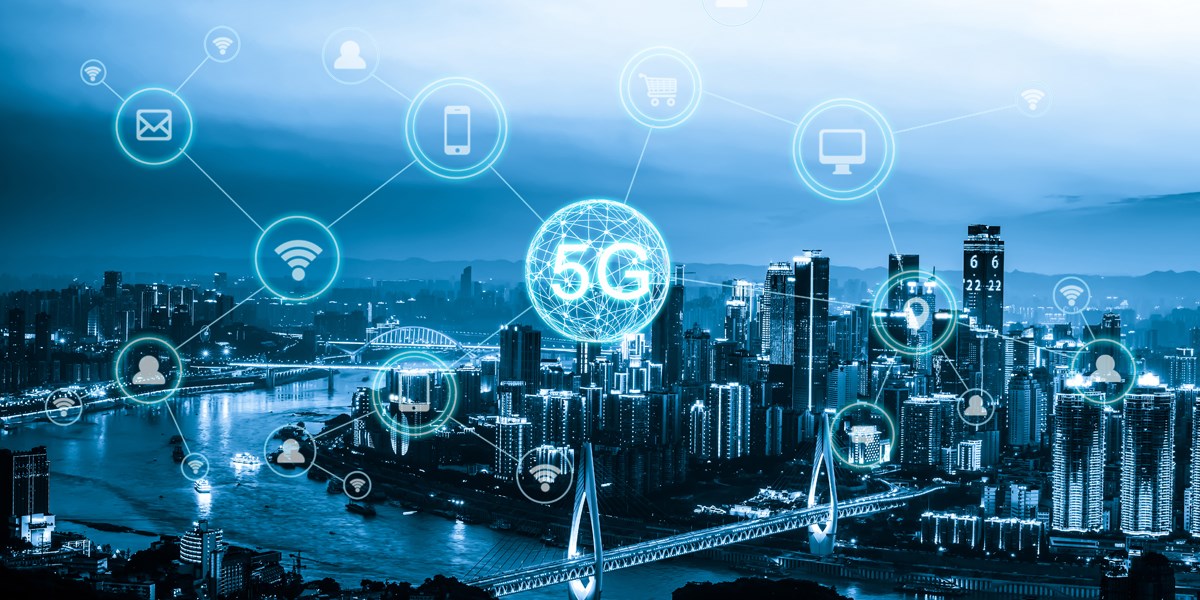
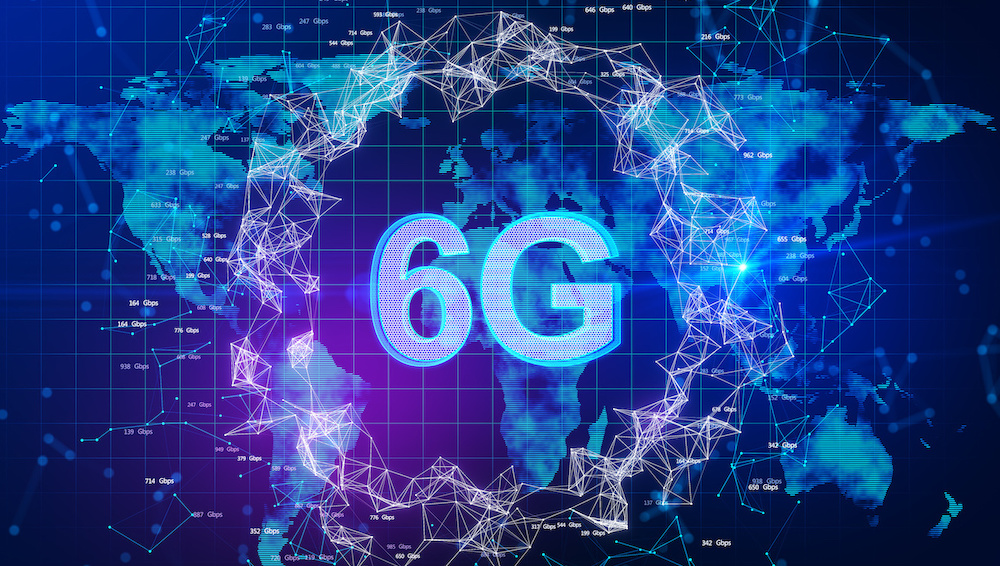
5G is the fifth generation of mobile technology that has revolutionized communications, offering ultra-fast data speeds and reliable connectivity. On the other hand, 6G is the next evolution and promises even more exciting advancements, such as even faster data speeds, lower latency, and advanced communication capabilities for future devices and applications.
5G-Advanced is the next evolutionary step in 5G technology. It will bring a new level of enhanced capabilities beyond connectivity and enable a wider set of advanced use cases for verticals. It will support advanced applications with enhanced mobility and high reliability as well as artificial intelligence (AI) and machine learning (ML) that will improve network performance. It will also introduce further improvements in spectral efficiency and energy savings.
In this video we can see some advaantages, miths and disadvanteges
for 5G in comparaison with past technologies
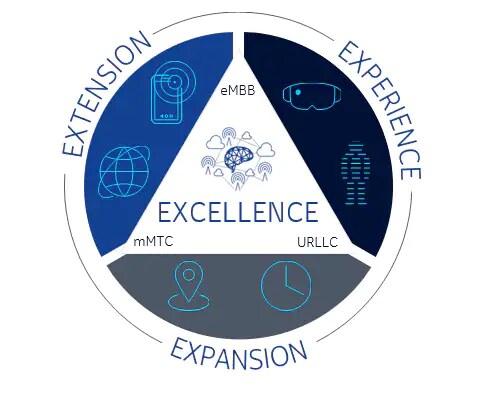
Nokia regards 5G-Advanced capabilities as means for mobile operators to transform their networks in profound and defined ways. By taking into account the four dimensions of experience, expansion, extension, and operational excellence, Nokia can support its customers with any combination of network requirements, deployment scenarios, and use cases.
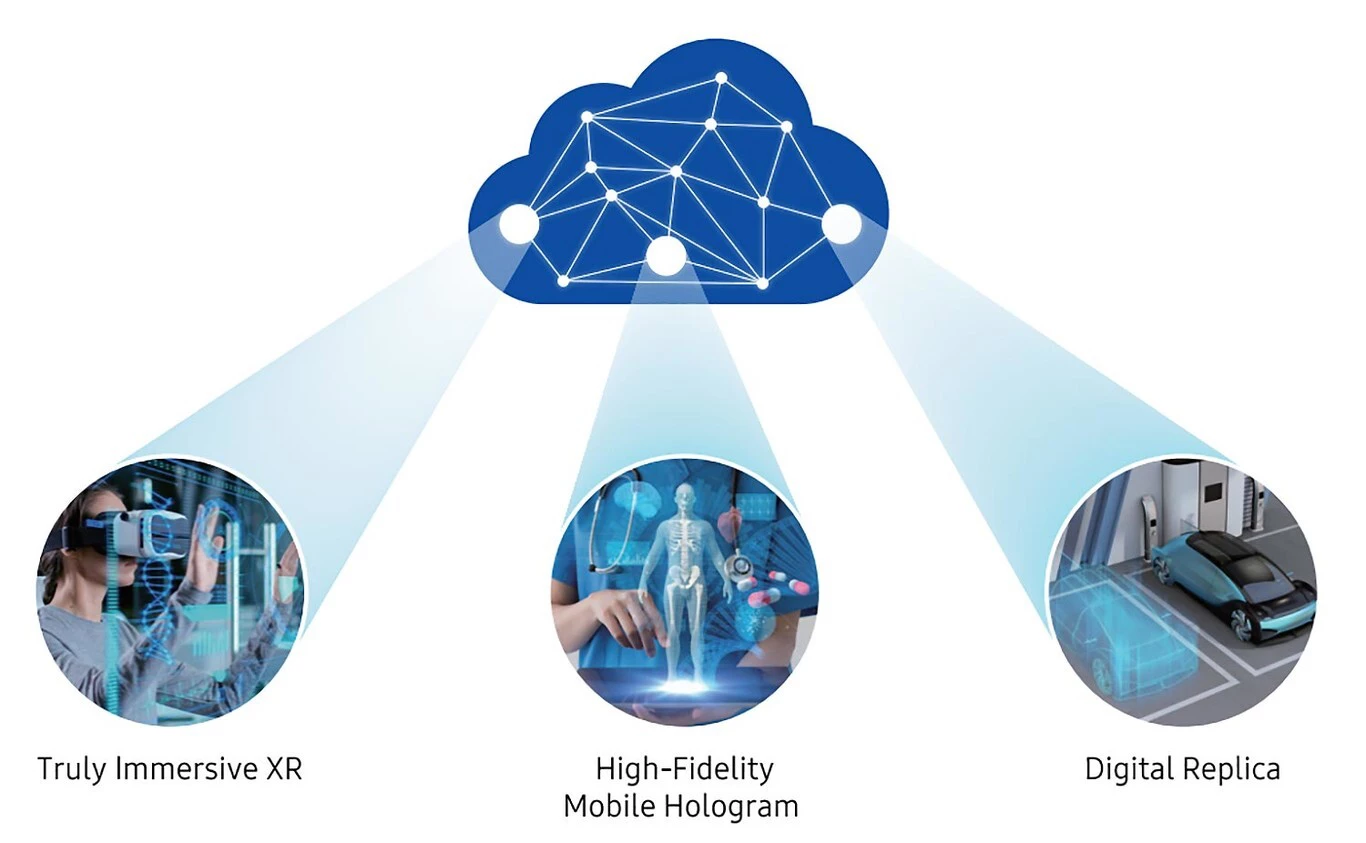
Experience: 5G-Advanced will offer an improved experience for people and machines. This cluster of features focuses on improving throughput in the uplink, reducing service interruption time, and enabling superior digital experiences. Truly immersive experiences will be possible thanks to the use of XR, virtual reality (VR), and augmented reality (AR), in which the physical and the virtual world will be fused.
Expansion: 5G-Advanced will enable new services beyond traditional communication. By introducing enhanced positioning with sub-10cm accuracy consistently both indoors and outdoors, as well as time synchronization as a service, 5G-Advanced offers valuable benefits for use cases as diverse as smart power grid control, industrial automation, and real-time financial transactions. This will enhance navigation and make logistics systems more efficient.
Extension: 5G-Advanced will extend the reach of connectivity and make it available to new market segments including innovations for improved coverage, enhanced low-cost massive IoT, and further support for non-terrestrial networks (NTN) and drones. This will help bridge the digital divide by extending broadband connectivity into rural and underserved geographies offering people access to economic opportunities and the benefits mobile connectivity provides. It will also be fundamental to the operation of driverless cars, autonomous robots, and industrial automation systems.
Excellence: 5G-Advanced will be powered by operational excellence that aims to enhance and optimize the 5G platform and its operation by the gradual introduction of AI/ML enablers, wireline and wireless convergence, improved resiliency, and energy efficiency enhancements. These operational enhancements will ensure efficient network operation at an affordable operational expense.
Source: 5G-Advanced explained | Nokia. (n.d.). Nokia. https://www.nokia.com/about-us/newsroom/articles/5g-advanced-explained/
6G, as its name suggests, is the sixth generation of mobile connectivity. Just as 4G succeeded 3G and 5G followed 4G, 6G will arrive to replace 5G with even greater speed and even lower latency. However, before that, we will go through an intermediate stage known as 5G+ or Advanced 5G, which will enter the market in 2024. Huawei refers to it as 5.5G and claims that, thanks to MIMO technology, it will achieve speeds of 10 Gbps.
Like 5G, one of the goals of 6G is to further reduce latency in connections and significantly increase transmission speed. The 6G standard has not been defined yet, and the spectrum bands to be used for data transmission are unknown, but it is estimated that its commercialization will be in 2030, and the first real use cases on this network could arrive between 2026 and 2028.
With all of this, 6G will bring advantages to different sectors of the industry and the economy, such as medicine and automotive. There are several fields that will be clearly enhanced by this new generation of networks: extended reality and holographic communications; interconnected and automated artificial intelligence; and energy efficiency, which will reach ultra-low consumption levels.
In its white paper on the 6G spectrum, Samsung explains that 6G will require a contiguous ultra-wideband spectrum with bandwidth ranging from hundreds of MHz to tens of GHz to enable new services. Therefore, Samsung proposes considering all available bands for 6G, from the low band below 1 GHz to the mid-band in the 1-24 GHz range and the high band in the 24-300 GHz range.
In addition to being faster, 6G will be used to introduce new technologies in the field of telecommunications and will advance into the terahertz (THz) frequencies. In fact, LG already achieved data transmission through the terahertz frequency at a distance of 100 meters in the summer of 2021. Recently, they have also achieved wireless transmission and reception of 6G THz data in a frequency range of 155 to 175 GHz at an outdoor distance of 320 meters.
This means that from the 20 Gbps speed of 5G, we will advance to 1 Tbps in 6G, and from the 1 ms latency of 5G, we will reduce to 0.1 ms in 6G. Furthermore, the sixth generation of networks will also be more efficient, consume less energy, and have greater capacity, allowing simultaneous connection of more devices. In fact, in China, they have already succeeded in transmitting 1 TB of data at a distance of 1 kilometer in just 1 second. They have even tested this with a wireless connection at the terahertz (THz) frequency level.
Source: Sacristán, L. (2023). 6G: todo sobre su tecnología y cuándo llegará la próxima generación de redes móviles. Xataka Móvil. https://www.xatakamovil.com/nuevo/6g-toda-informacion